
I’ll be on your side, even when I’m challenging you.
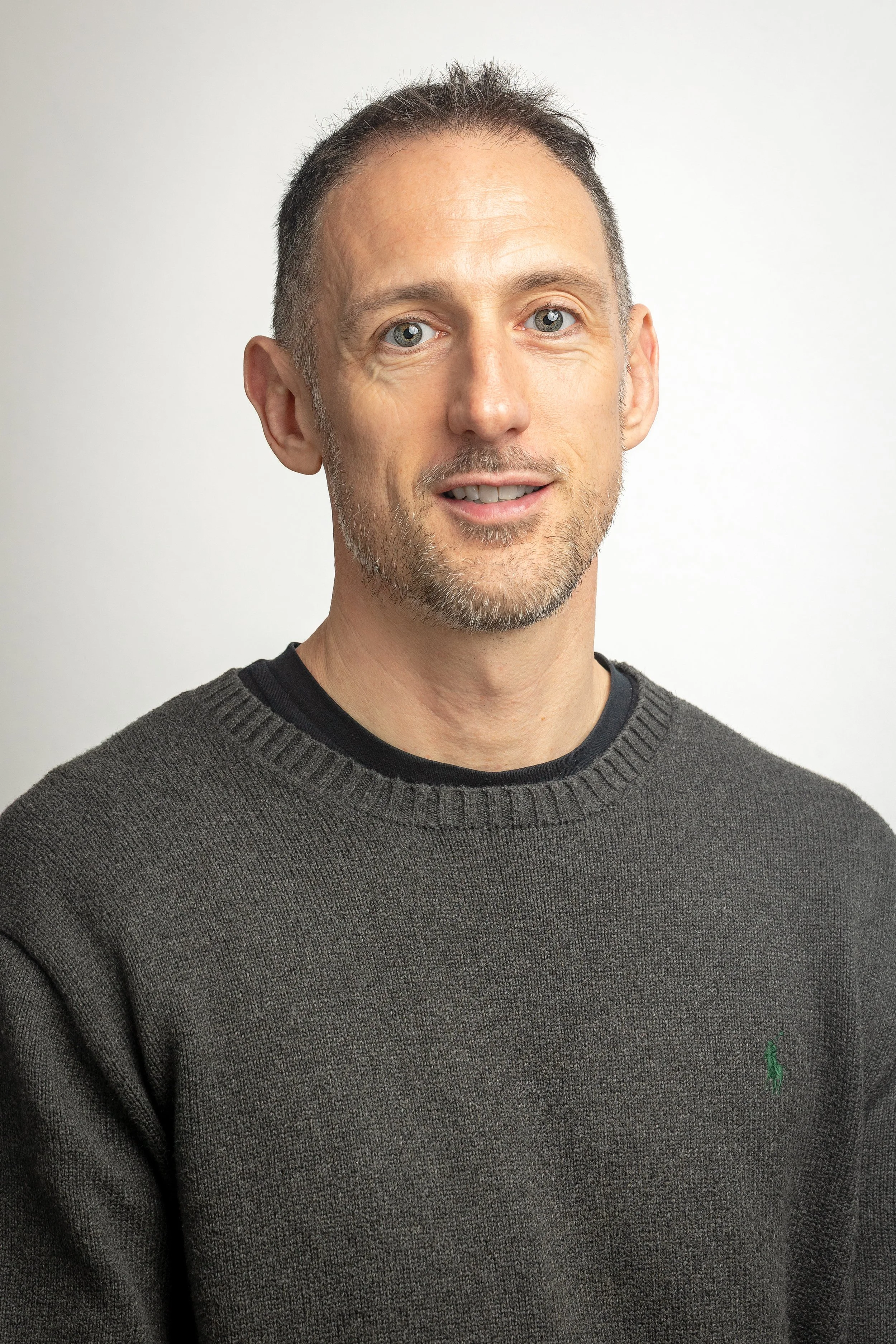
About Ross Harvey
I’m a health and wellbeing coach. I work with people who have become disconnected from their health because life has gradually taken over.
That can show up in all sorts of ways. Weight gain. Poor sleep. Low energy. Stopping exercise. Comfort eating. Feeling constantly stressed. Losing confidence. Putting yourself last. Knowing what would help, then watching yourself do something else.
I don’t see people as a weight, a diagnosis, a job title, or a problem to solve.
I’m interested in the person sitting in front of me. What their life looks like. What they’ve tried. What keeps repeating. What matters to them. What they can influence. What they’re prepared to do next.
The kind of coach I am
Clients need to feel safe enough to say what is actually going on.
That might mean admitting they are struggling. Saying they’ve not done what they said they would do. Talking about something they’re embarrassed by. Being unsure whether they even want to change.
My job isn’t to judge them or tell them off.
I listen. I ask questions. I notice patterns and contradictions. I might challenge something that doesn’t quite add up. I will sometimes offer an idea or suggest an experiment, if it’s useful and within my competence.
I’m comfortable saying, “I don’t know” and I’m comfortable being wrong. A client can tell me that something doesn’t land, and we work with that too.
Coaching should feel like a real conversation. It can be serious, honest, difficult, and occasionally funny. Those things can all exist in the same room.
Where I come from
Before coaching, I spent years working in hospitality, leadership, training, and the music and creative world. I also lived and worked in different parts of the world, including Barcelona, Dubai, Singapore, and Hong Kong.
Those years were exciting, demanding, and often full-on. I was working long hours, performing, travelling, meeting high expectations, and trying to keep up with the pace of the life I had built.
From the outside, plenty of it looked great. At times, though, I was running on adrenaline, putting off decisions, and not paying enough attention to my own health, relationships, or what I actually needed.
Eventually, I had to take a proper look at how I was living. Coaching played a meaningful part in that. It helped me stop avoiding the things that mattered, make changes, return to the UK, and build a life that felt more grounded.
That experience doesn’t mean I assume I know what somebody else needs. It does mean I understand that a person can look like they’re coping while privately knowing something has to change.
My professional background
I hold the International Coaching Federation’s Professional Certified Coach credential and I’m a UKIHCA Registered Health Coach. I have also completed Health and Wellbeing Coach training through the Personalised Care Institute. Alongside this, I have been coaching professionally since 2018 and have extensive experience supporting people through NHS health and wellbeing coaching, group sessions and workshops, with ongoing supervision and professional development informing my work.
Qualifications matter because they show the standards I work to, but they aren’t a substitute for paying attention to the person in front of me.
The co-pilot approach
I think of myself as the co-pilot.
I can help you notice what you might be missing, ask questions you may not have asked yourself, challenge a pattern, offer perspective, and help you find your way when things feel unclear.
You remain the person making the decisions.
The point of coaching isn’t for you to leave thinking, “Ross knows what I should do.”
It’s for you to leave with a clearer sense of what is happening, what matters, what’s within your influence, and what you want to do next.
Professional
boundaries
I am a health and wellbeing coach. I am not a doctor, dietitian, therapist, counsellor, or personal trainer.
I don’t diagnose, prescribe medication, provide medical treatment, offer specialist clinical nutrition advice outside my competence, or replace specialist healthcare.
Where another professional is better placed to help, I will say so. That may involve encouraging support from a GP, dietitian, physiotherapist, personal trainer, counsellor, therapist, or another appropriate specialist.
Working within those boundaries is part of taking the work seriously.
If you’re serious about your health, the next step is to apply.